






























































CHEAPER ALTERNATIVE/EQUIVALENT TO KINGSPAN INSULATION*
Kingspan insulation is a popular choice for many construction projects due to its high performance and durability. However, it can also be quite expensive, which can make it difficult for those on a tight budget to choose. Fortunately, there are many cost-effective alternatives and equivalents to Kingspan insulation that can provide similar benefits. Xtratherm and Celotex are two companies that offer cost-effective alternatives and equivalents to Kingspan insulation, providing similar benefits, including comparable or same thermal conductivity, and are typically available in local markets near you.
What connects Celotex and Xtratherm companies with Kingspan is that they all produce insulation products for buildings. While Kingspan is a leading manufacturer of insulation materials, Celotex and Xtratherm are companies that offer cost-effective alternatives and equivalents to Kingspan insulation, providing similar benefits, including comparable thermal conductivity. However, each company's specific products and offerings may vary, so it's always important to do some research and consult with a professional to find the best insulation solution for your specific needs. In this article, we will take a closer look at a few of these companies, including Celotex, and Xtratherm, to help you make an informed decision when choosing the right insulation alternative product for your building project.
 Table of contents
- WHY IS KINGSPAN INSULATION SO WELL - KNOWN AND WIDELY USED?
- TOP 4 COST-EFFECTIVE ALTERNATIVES TO KINGSPAN INSULATION FOR YOUR BUILDING PROJECT
- WHY CHOOSE CHEAPER ALTERNATIVES/EQUIVALENTS TO KINGSPAN INSULATION?
- WHY NOT CHOOSE CHEAPER ALTERNATIVES/EQUIVALENTS TO KINGSPAN INSULATION?
- KINGSPAN VS CELOTEX: WHICH INSULATION PRODUCTS ARE MORE BENEFICIAL?
- KINGSPAN VS XTRATHERM: WHICH INSULATION PRODUCTS ARE MORE BENEFICIAL?
- LIST OF ALTERNATIVE PRODUCTS TO KINGSPAN
- CONCLUSION
WHY IS KINGSPAN INSULATION SO WELL - KNOWN AND WIDELY USED?

Picture credit:businessplus.ie
Kingspan is a leading manufacturer of insulation materials and building envelope solutions. The company has a long history of providing high-quality products that offer excellent insulation performance, which has helped establish its reputation in the industry.
Another reason why Kingspan is so widely known is its marketing efforts. The company has invested heavily in advertising and promotion, which has helped increase its brand awareness among contractors, architects, and builders. Kingspan has also established itself as an innovator in the industry, developing new insulation technologies and products that are designed to meet the changing needs of the construction industry.
Overall, Kingspan's high-quality phenolic products, commitment to sustainability, and effective marketing efforts have all contributed to its widespread recognition and reputation in the insulation industry.
TOP 4✔ COST – EFFECTIVE ALTERNATIVES TO KINGSPAN INSULATION FOR YOUR BUILDING PROJECT
CELLULOSE INSULATION
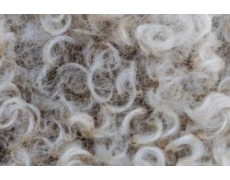
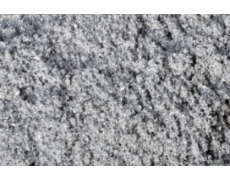
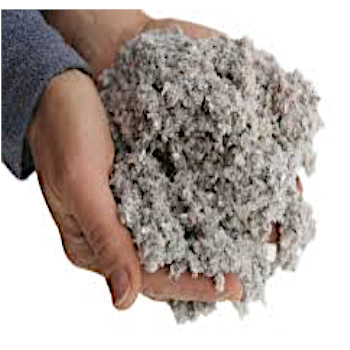 Cellulose insulation is made from recycled paper and can be a cost-effective alternative to Kingspan insulation. It is a great option for those who are looking for an eco-friendly insulation solution. Cellulose insulation can be installed as loose-fill, blown-in, or spray foam, making it a versatile option for different types of construction projects.
Here's a comparison between Cellulose Insulation and Kingspan Phenolic boards:.
Prices
The cost of cellulose insulation varies depending on the amount needed, but it is generally considered to be one of the more affordable insulation options.
Kingspan Phenolic boards tend to be more expensive than cellulose insulation, but their high-performance properties can make them worth the extra cost in certain applications.
Overall, both Cellulose insulation and Kingspan Phenolic boards have their unique properties and advantages.
Cellulose insulation is an eco-friendly and affordable option that can effectively reduce heat flow and noise levels, while Kingspan Phenolic boards are known for their excellent thermal conductivity and fire-resistant properties, making them a popular choice for many building projects.
The choice between the two will ultimately depend on your specific insulation needs, project requirements, and budget constraints.
FIBERGLASS INSULATION
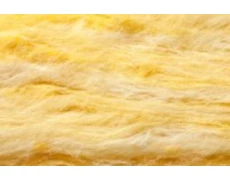
 Fibreglass insulation is an affordable and versatile option that can effectively reduce heat flow. It is also easy to install and can be used in a variety of applications. In contrast, Kingspan insulation products are known for their excellent thermal conductivity and fire-resistant properties, which make them ideal for high-performance building projects.
However, there may be instances when it is not necessary or advisable to use Kingspan products, such as in buildings that do not require high-performance insulation, or in situations where cost is a major factor.
For example, Fiberglass insulation may be a better choice for residential buildings or low-budget commercial projects where high-performance insulation is not required.
On the other hand, it is generally not recommended to use cheaper, lower quality alternatives to Kingspan insulation, as they may not provide the same level of thermal performance and fire resistance. In situations where high-performance insulation is required, such as in industrial buildings or structures with strict building codes, it is important to use a trusted and reliable insulation product like Kingspan to ensure the safety and efficiency of the building.
MINERAL WOOL INSULATION
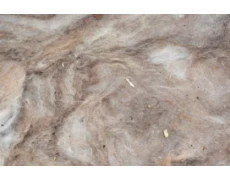
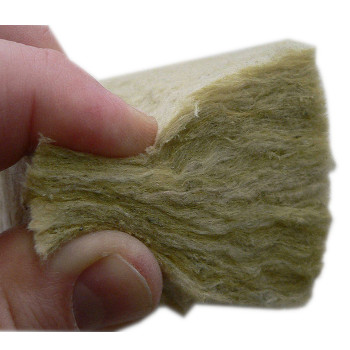 In the UK, Mineral Wool insulation, such as Rockwool, may be a better choice for buildings with high acoustic insulation requirements, such as music studios, recording rooms or theatres. This is because Mineral Wool insulation is known for its excellent sound absorption properties, which make it ideal for reducing noise levels within a building.
On the other hand, Kingspan phenolic boards may be a better choice for buildings that require high levels of thermal insulation, such as energy-efficient homes or commercial buildings. This is because phenolic insulation has a much lower thermal conductivity than Mineral Wool insulation, meaning it is better at retaining heat and maintaining a consistent indoor temperature. Here are some specific numbers to illustrate the difference in thermal conductivity:
The thermal conductivity of Kingspan Kooltherm K118 Insulated Plasterboard is typically around 0.018 W/mK.
The thermal conductivity of Rockwool Thermal Insulation Roll is typically around 0.044 W/mK.
As you can see, the thermal conductivity of Kingspan Kooltherm K118 is roughly half that of Rockwool Thermal Insulation Roll, meaning it provides significantly better insulation against heat loss.
It's also worth noting that Mineral Wool insulation is typically less expensive than Kingspan phenolic boards, making it a more cost-effective option for those on a tight budget.
Ultimately, the choice between Mineral Wool insulation and Kingspan phenolic boards will depend on the specific requirements of the project, and it's always advisable to consult with a professional to determine the best insulation solution for your particular needs.
EXPANDED POLYSTYRENE (EPS) INSULATION
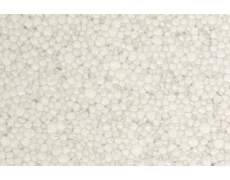
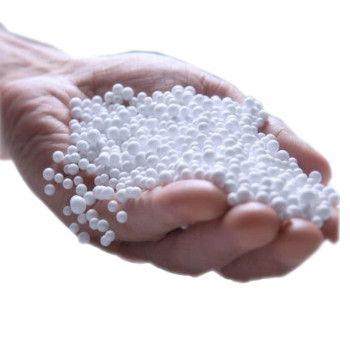 Expanded Polystyrene (EPS) insulation is another alternative to Kingspan Phenolic boards that can be used in a variety of applications. EPS insulation is a lightweight, rigid foam plastic that is made by expanding polystyrene beads with steam and pressure.
It has a lower thermal conductivity than many other types of insulation, including fibreglass and cellulose, but is typically not as efficient as phenolic boards in terms of insulation performance.
EPS insulation can be a good alternative to phenolic boards in applications where cost is a primary concern and the insulation will not be exposed to high temperatures or moisture. It is commonly used in applications such as wall insulation, and underfloor insulation in residential and commercial buildings.
However, in applications where high levels of thermal insulation are required, or where the insulation will be exposed to high temperatures, phenolic insulation may be a better choice.
WHY CHOOSE CHEAPER ALTERNATIVES/EQUIVALENTS TO KINGSPAN INSULATION?
Choosing cheaper alternatives/equivalents to Kingspan insulation can be a wise decision for several reasons. For example, companies like Xtratherm offer phenolic insulation boards with similar thermal conductivity to Kingspan. For example, Xtratherm offers phenolic insulation boards with a thermal conductivity ranging from 0.019 to 0.021 W/mK, which is comparable to Kingspan's phenolic boards with a thermal conductivity of 0.018W/mK. Xtratherm also offers PIR boards with similar properties as Kingspan, while Celotex only offers PIR boards with the same properties. Additionally, Celotex is a popular brand and more readily available, making it a convenient and cost-effective option for some projects. Ultimately, it's important to weigh the benefits and drawbacks of each insulation option and determine which one is the best fit for your specific needs and budget.
WHY NOT CHOOSE CHEAPER ALTERNATIVES/EQUIVALENTS TO KINGSPAN INSULATION?
While cheaper alternatives and equivalents to Kingspan insulation may be attractive due to their lower price, it's important to consider the potential downsides. For example, some cheaper options may have lower insulation performance or a shorter lifespan than Kingspan products. Additionally, some cheaper alternatives may not have the same fire-resistant properties as Kingspan insulation. It's important to weigh the potential cost savings against the long-term benefits of investing in a high-quality insulation product like Kingspan. Ultimately, it's important to do your research and consult with a professional to determine the best insulation solution for your specific needs and budget.
There are some cases where it may not be advisable to use alternative products to Kingspan insulation. For example, if the building requires a high level of fire resistance, it may be necessary to use Kingspan's specifically designed fire-resistant products to meet building codes and regulations. Additionally, if the building has unique insulation requirements, such as in extreme temperatures or harsh environmental conditions, it may be necessary to consult with a professional and use Kingspan's specialised insulation solutions to ensure optimal performance and longevity.
KINGSPAN vs CELOTEX: WHICH INSULATION PRODUCTS ARE MORE BENEFICIAL?
When it comes to choosing between Kingspan and Celotex insulation products, there are a few factors to consider. Both companies offer high-performance insulation products, but their specific offerings may vary. For example, Kingspan is known for their phenolic insulation boards with low thermal conductivity of 0.018 W/mK with fire-resistant properties. On the other hand, Celotex offers PIR insulation boards with similar properties (thermal conductivity of 0.022W/mK).
Generally speaking, the thermal conductivity of Kingspan's phenolic insulation boards (0.018 W/mK) is lower than that of Celotex's PIR insulation boards (0.022 W/mK) by approximately 18%. This means that Kingspan's insulation boards have a slightly better thermal performance than Celotex's boards. However, the cost and other factors such as fire resistance, environmental impact and availability may also play a role in determining whether it's worth it to choose Kingspan over Celotex or vice versa. It's important to consider all factors and weigh the costs and benefits before making a decision.
- Product Range
Kingspan and Celotex both offer a range of insulation products for different applications, including walls, roofs, floors, and pipes. Kingspan's range includes Kooltherm, Therma, and Optim-R, while Celotex's range includes TB4000, GA4000 and XR4000. Both companies offer insulation products in different thicknesses to meet the specific requirements of different construction projects.
- Ease of Installation
Both Kingspan and Celotex insulation products are designed for easy installation. Kingspan insulation boards are lightweight and easy to handle. That makes them quick and easy to install. Similarly, Celotex insulation products are designed to be easy to cut and fit, with a range of fixing options to suit different applications. For more information on how to cut PIR insulation click here
- Price
The price of Kingspan and Celotex insulation products can vary depending on the product range, thickness, and quantity required. Generally, Celotex insulation products are slightly cheaper than Kingspan insulation products. For example, a 50mm thick Celotex GA4000 insulation board can cost around £14-£15 per square metre, while a 50mm thick Kingspan Kooltherm TP10 insulation board can cost around £17-£18 per square metre.
Both Kingspan and Celotex offer high-quality insulation products that are designed to provide effective thermal performance and energy efficiency. While Kingspan insulation products are generally more expensive than Celotex insulation products, they offer superior thermal performance and a wider range of product options. Ultimately, the choice between Kingspan and Celotex insulation products will depend on your specific requirements and budget for your construction project.
KINGSPAN vs XTRATHERM: WHICH INSULATION PRODUCTS ARE MORE BENEFICIAL?
When deciding which brand is more beneficial, it's important to consider factors such as thermal performance, fire safety, environmental impact, cost and availability. Both Kingspan and Xtratherm offer high-quality phenolic and PIR rigid polyisocyanurate foam products and the choice may ultimately come down to the specific needs and requirements of the project.
Both companies offer almost the same products. Kingspan offer TP10 PIR rigid board with thermal conductivity of 0.022 W/mk and Xtartherm Thin-R PIR with the same thermal conductivity of 0.022 W/mk
Although there are some differences in the specific products and applications offered by Kingspan and Xtratherm.
As for the pricing comparison, there is a difference of approximately 27% in the price between the two PIR products. Xtratherm is priced at £37.26(50mm), while Kingspan is priced at £50.87(50mm). However, it's important to keep in mind that the specific prices may vary depending on factors such as location, quantity and other market conditions. Based on the pricing comparison, it seems that Xtratherm may be more beneficial from a cost perspective.
It's worth noting that Kingspan has been operating in the UK market for a longer period of time and has a well-established reputation. As a result, they may have more experience and a larger network of support channels, such as technical experts, customer service teams and authorised distributors, which can be beneficial when it comes to choosing and installing insulation products. These support channels can provide valuable assistance in selecting the appropriate products for specific applications, ensuring correct installation and addressing any issues that may arise during or after installation. This can provide added peace of mind and potentially save time and money in the long run. However, it's also important to note that Xtratherm and other newer companies may also have knowledgeable support teams and resources available to assist customers.
LIST OF ALTERNATIVE PRODUCTS TO KINGSPAN
- Kingspan TP10 / Kingspan TW50 / Kingspan TF70 ----- Celotex TB4000, Celotex GA4000, Celotex XR4000, Xtratherm Thin-R, Recticel Eurothane GP PIR, IKO Enertherm ALU, EcoTherm EcoVersal PIR
- K103 Kingspan Floor Insulation Board ---- SR/UF Safe-R Phenolic Floor Insulation Board Xtratherm
- Kingspan Kooltherm K107 Pitched Roof Insulation Board ----- SR/PR Safe-R Phenolic Roof Insulation Board Xtratherm
- Kingspan Thermaroof TR24 Flat Roof Insulation Board ----- FR/BGM Xtratherm Thin-R PIR Flat Roof Insulation Board
- Kingspan Thermaroof TR26 Flat Roof Board ----- FR/MG Thin-R Xtratherm PIR Flat Roof Insulation Board
- Kingspan Thermaroof TR27 Flat Roof PIR Board ----- FR/BGM Xtratherm Thin-R PIR Flat Roof Insulation Board
- Kingspan Thermaroof TR31 Plywood Flat Roof Insulation ----- FR/TP Xtratherm Thin-R Thermal Ply Flat Roof Insulation Board, Celotex Insulation TD4000 PIR Plywood Flat Roof Board, Recticel Plylok PIR Warm Flat Roof Insulation Board, EcoTherm Eco Deck Pre-Insulated Flat Roof Decking, Xtratherm Plydeck PIR with OSB Flat Roof Insulation
- Kingspan Kooltherm K15 Rainscreen Board ----- Xtratherm Safe-R SR/RS Rainscreen Cladding Insulation
- Kingspan Cavity Insulation Board Thermawall TW50 ----- Xtratherm XT/CW Thin-R Partial Fill Cavity Insulation, Celotex CW4000 Cavity PIR Insulation Board
- Kingspan Kooltherm K110 Soffit Insulation Board ----- SR/ST Soffit Insulation Board Xtratherm Safe-R, Rockwool Soffit Liner Insulation, Promat TLFR Board, Promat TL Bevelled Edge Board
- Kingspan K118 Insulated Plasterboard ----- SR/TB Safe-R Thermal Liner Xtratherm Insulated Board
- Kingspan Kooltherm K112 Framing Board ----- SR/FB Framing Board Xtratherm Safe-R Insulation
- Kooltherm K5 Kingspan External Board ----- Grey EPS External Wall Insulation Board, Rockwool External Wall DD Insulation Slab
- Kingspan Kooltherm K106 Cavity Board, Kooltherm K108 Cavity Insulation Board Kingspan ----- Xtratherm Safe-R SR/CW Cavity Wall Insulation Board
- Kingspan GreenGuard GG300 Extruded Polystyrene, Kingspan GG500, Kingspan GG700 ----- Sundolitt XPS 300, Soprema XPS SL Extruded Polystyrene Insulation, XPS Styrodur 3000 CS, Danopren TR40 XPS Blue Insulation Board
While Kingspan is a reputable brand that has been operating in the insulation industry for many years and offers high-quality products, there are many other insulation manufacturers that offer comparable products with similar thermal performance and environmental benefits.
When selecting insulation products, it's important to consider factors beyond just the brand name. Insulation products from various manufacturers may have different features, such as thickness, density, and fire rating, that make them more suitable for different applications. Additionally, the specific needs and requirements of the project, such as energy efficiency goals, budget constraints, and building codes, must also be taken into consideration.
In conclusion, while Kingspan is a well-established brand with a good reputation, there are many alternatives and equivalents available on the market that can provide similar benefits at a lower cost. It's important to carefully evaluate the options and select the insulation product that best meets the specific needs and requirements of the project.
Related articles:
Thinnest Insulation Solution for Londoners
5 Benefits of Insulated Plasterboard
How to install insulated plasterboard?
How to cut polystyrene insulation board?
Best type of insulation boards
*All the information provided in the content published on Insulationgo blog is for informational and educational purposes only. Insulationgo LTD makes every effort to ensure the accuracy and timeliness of the content, but we do not assume any responsibility for any errors or omissions.
The information presented on this blog should not be considered as professional advice or a substitute for consulting relevant experts. Before making any purchase decisions or taking action based on the information presented here, it is strongly recommended to contact the product manufacturer directly to verify the details and ensure its suitability for your specific needs.
By using this blog, you acknowledge and agree that Insulationgo LTD shall not be held liable for any damages, losses, or inconveniences arising from the use or reliance on the information provided herein. This limitation of liability applies to all users of the blog, including but not limited to visitors, readers, and subscribers.
