




























































Choose what’s the right cladding system for your home, inside and out*
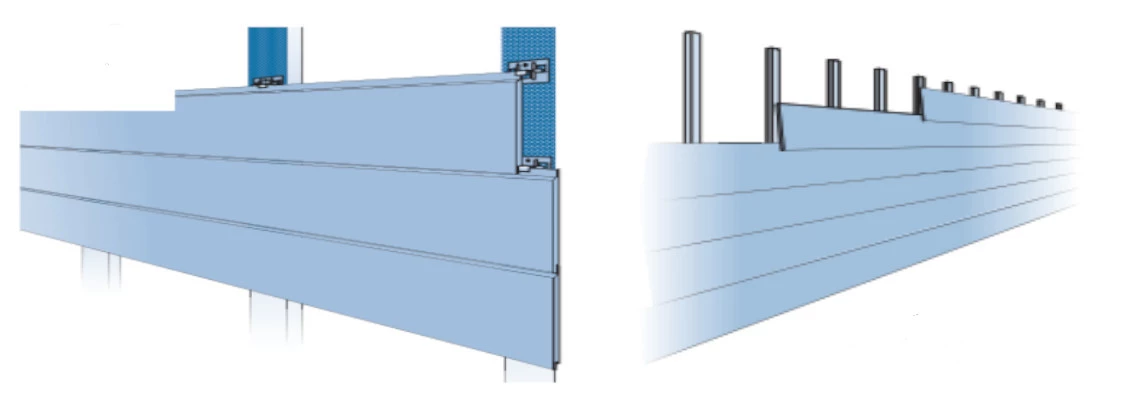
When it comes to cladding, the profile refers to how the panels fit together. Cladding boards connection can produce different properties in terms of strength, weather protection and appearance.
Profiles possess their own particular attributes, which can lend a particular profile more towards a certain purpose than another.
We hear people seeking to compare Cedral Click with Lap system.
In this article you will learn what separates Lap system from Click. It may help you pick the paneling that’s perfect for your home.
Design
If you check out the edges of planks for each system of paneling, you’ll spot the difference between them right away. Cedral Lap cladding is designed to look like the overlapping boards used throughout history to build the hull of ships.
Hovewer, if a more modern design element is priority, Click board might be your best choice. If you’re drawn to the appearance of one profile over the other, that should really be the deciding factor. Both systems represent a beautiful and secure cladding profile choice.
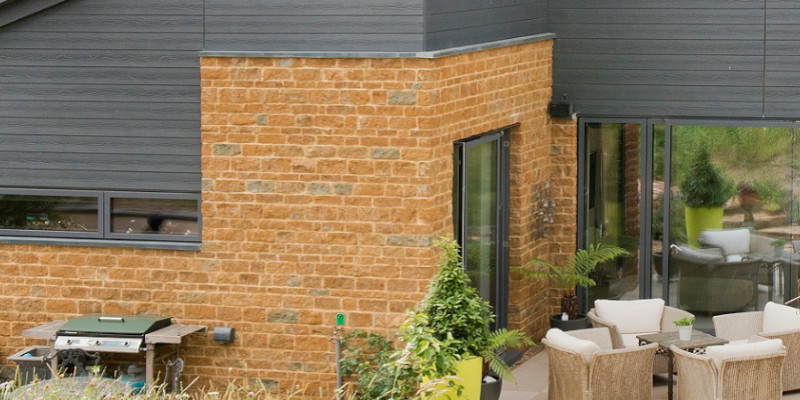
Modern house cladded with Cedral Click system
source:https://www.cedral.world/en-gb/cladding/
Before discussing the differences between the two styles, it is helpful to understand the way they are fit together.
Cedral Lap
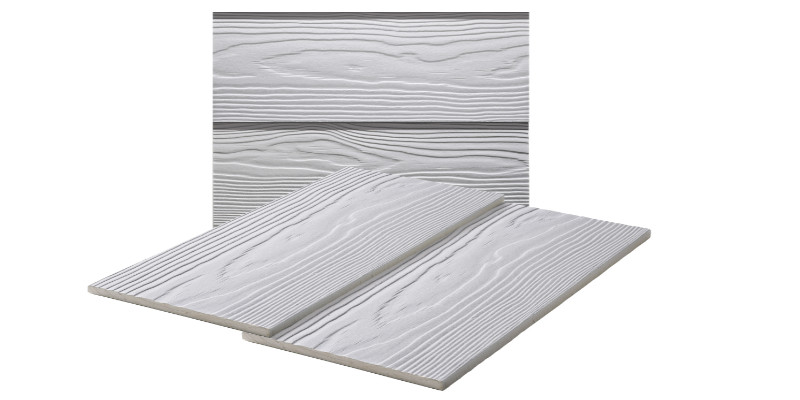
Cedral Lap boards
source:https://www.cedral.world/en-gb/cladding/our-products/cedral-lap/
Lap boards connects together similarly but each plank has an added overlap at the bottom when laid horizontally giving a repeating step.
The notch on one side of the plank will be on the upper edge, while the other side of the plank is notched on the lower edge. During installation, these notches fit together like little steps, so the shiplap planks very slightly overlap, in what is called a Lap joint.
For installations that need to withstand harsh elements and heavy rainfall, Lap is the preferable option. Cedral Lap cladding is chosen in a wood textured finish.
Cedral Click
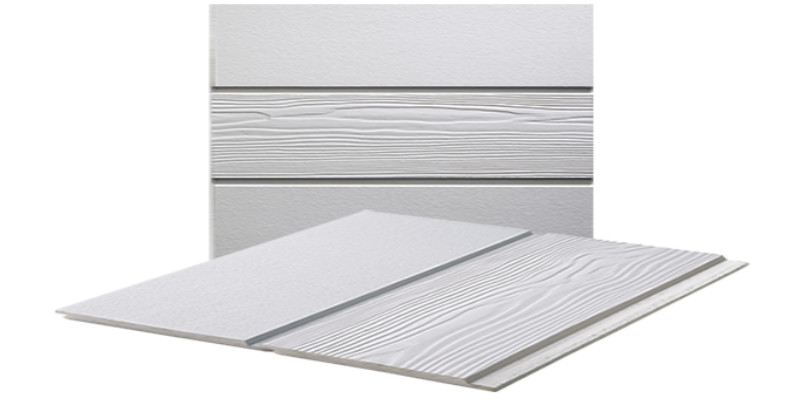
Cedral Click boards
source:https://www.cedral.world/en-gb/cladding/our-products/cedral-lap/
Is probably the most popular cladding profile out there. Unlike Lap, each plank has a groove on one edge and a corresponding thin projecting ridge on the other (the tongue). When two planks are pushed together, the tongue ‘click’ into the groove along their length to give strong join with no need for glues- hence the name. The individual planks fit together almost seamlessly, making them perfect for plain wooden cladding on modern wall panelling.
Connection strength
The strength created by the interlocking Click panels is one of the most impressive aspects to cladding. This connection profile is a fantastic choice for anyone looking to build a very sturdy structure. The added friction between boards that results prevents movement and makes an exceptionally sturdy structure.
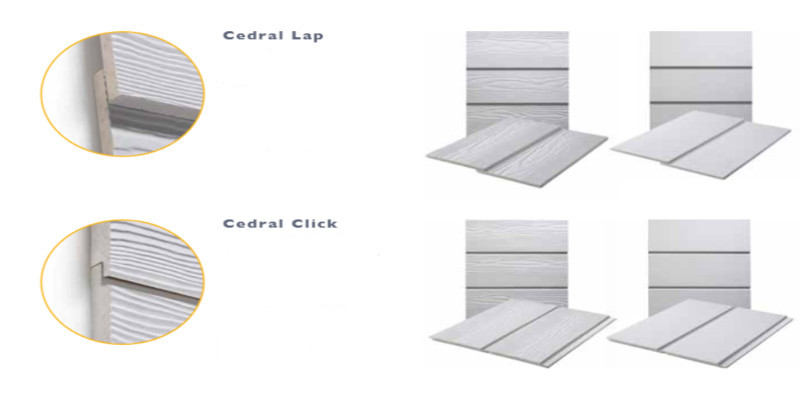
Cedral connection methods
source:https://www.cedral.world/en-gb/cladding/our-products/cedral-lap/
Fitting methods
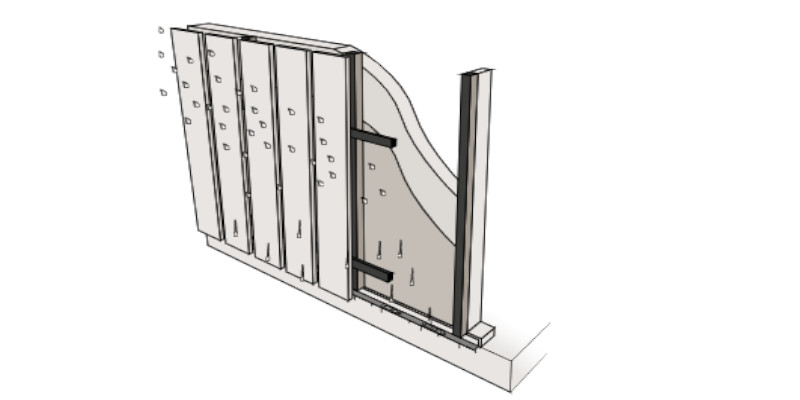
Unlike Cedral Lap, Click boards can be fixed vertically or horizontally, providing a strong shield from adverse weather conditions.
Climate conditions on both Lap and Click systems
Lap is the better choice for a very rainy climate, as its overlapping planks shed water quite well. Click system, on the other hand, can deteriorate in wet climates due to trapped water inside the interlocking connections.
Which system is easier to fit?
It’s a little easier to install Lap planks than Click. It is because you needn’t fit the boards together. Instead, you simply match the notches on neighboring boards and then pound a nail straight through the overlap. Installing Click requires more precise screwing, as you’ll need to screw invisible clip for secure results.
Why Lap and Click thicknesses are different?
Both connection systems are made of same multilayer fibre structure, however their thicknesses vary. To understand better we introduce picture of starter profile. Cedral Lap starter creates overall thickness of 21mm leaving 10mm gap on the bottom.
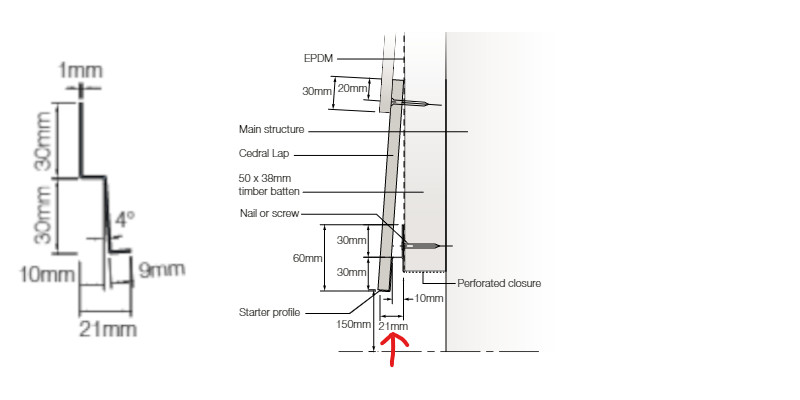
Cedral Lap overall thickness
source:https://www.cedral.world/en-gb/
On the other hand Cedral Click starter profile creates only 13mm (12mm board+1mm aluminium starter profile). That give us 8mm of difference.
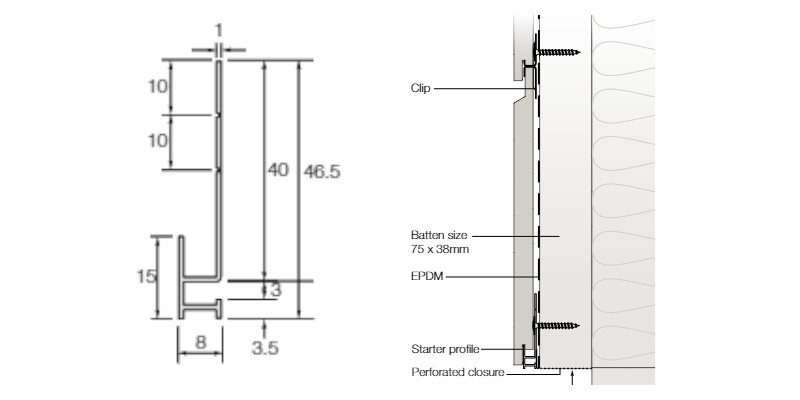
Cedral Click overall thickness
source:https://www.cedral.world/en-gb/
8mm makes a huge difference if you consider shadow line created between the boards.
Cleaning both systems
Cedral Click system has added benefit of making tongue and groove easier to clean and maintain, as dirt and dust cannot build up in recesses. For a more modern farmhouse, Lap system can be used.
Security
Cedral Click system is always recommended if you want to use your property to store valuable items. For a home office storing valuable equipment, Cedral click is harder to break into, keeping valuables secure.
Waterproof connection
While Click board prevents water seeping through joins and into the structure, Lap is even more waterproof. The overhanging 30mm lip prevents backflow of water through the boards. For use in areas with particularly high rainfall, this gives it a clear edge in weatherproofing.
Cedral waterproof connection
source:https://www.cedral.world/en-gb/
Cost
If the choice is mainly an aesthetic one based on looks, Lap system may be a more cost effective option. Why? According to our current Cedral price list average Cedral costs are £43,29 (ex VAT) per metre squared for Cedral Lap and £59,12 (ex VAT) per metre squared for Cedral Click (excluding trims and accessories). For those on a particularly tight budget, simple Lap cladding may be worth considering.
Which should you buy?
It is clear from the descriptions above that lap boards do not have as many attributes and features as Click tongue and groove cladding system. The most important factor and element that should be taken into account when deciding which cladding system of house to buy is place and the climate that you live in.
Tongue and groove cladding is the most popular styles of cladding.
More Articles:
Cedral Cladding and Frequently Asked Questions
Fibre cement cladding technology
How to install Cedral Click Cladding
How to install Cedral Lap Cladding
How to clean fibre cement cladding?
Weatherboard Touch Up Paint for Cedral
How much is Cedral cladding per square Metre?
Cedral Weatherboard. Timeless façade board?
*All the information provided in the content published on Insulationgo blog is for informational and educational purposes only. Insulationgo LTD makes every effort to ensure the accuracy and timeliness of the content, but we do not assume any responsibility for any errors or omissions.
The information presented on this blog should not be considered as professional advice or a substitute for consulting relevant experts. Before making any purchase decisions or taking action based on the information presented here, it is strongly recommended to contact the product manufacturer directly to verify the details and ensure its suitability for your specific needs.
By using this blog, you acknowledge and agree that Insulationgo LTD shall not be held liable for any damages, losses, or inconveniences arising from the use or reliance on the information provided herein. This limitation of liability applies to all users of the blog, including but not limited to visitors, readers, and subscribers.
